
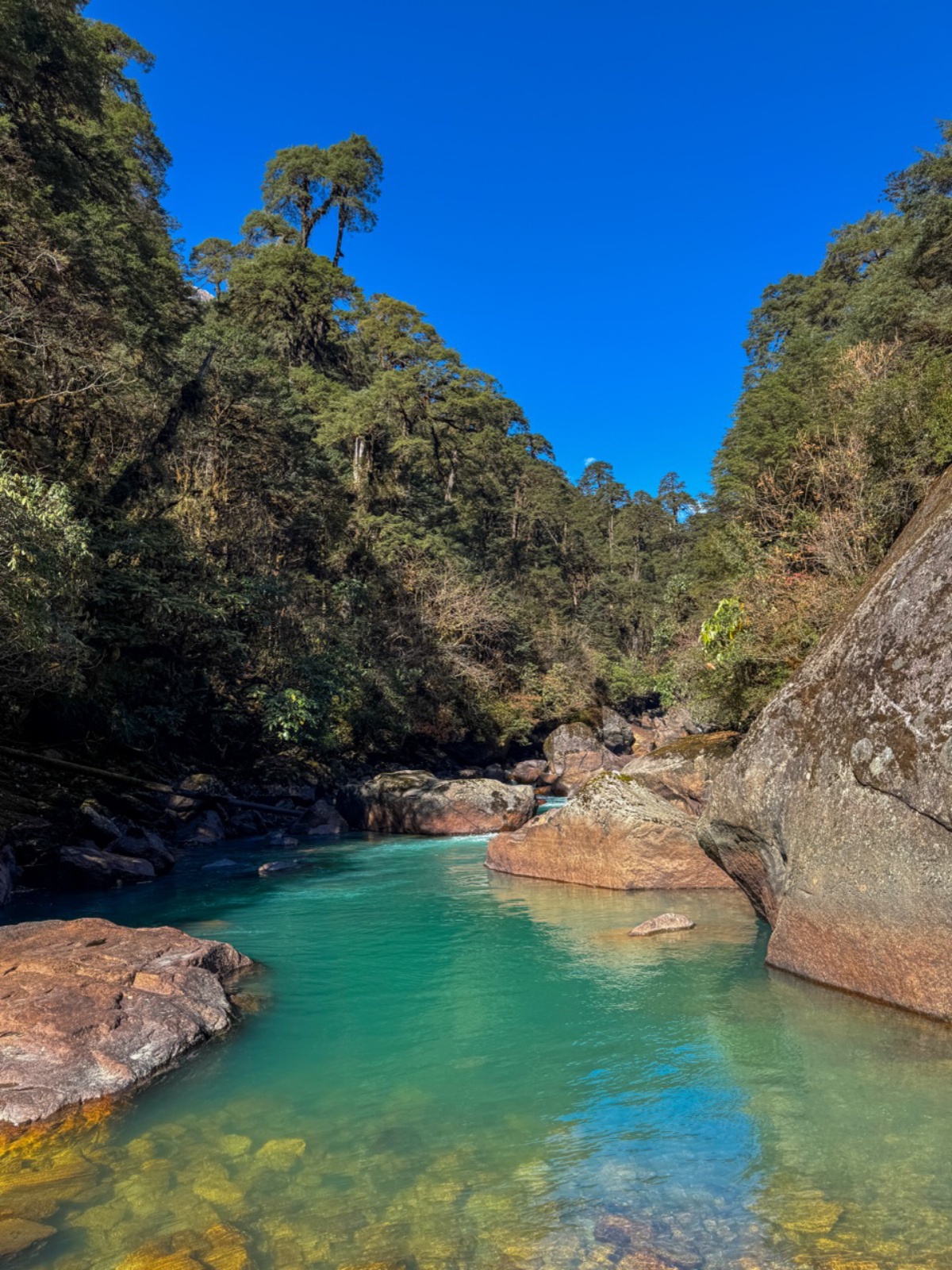
There are some journeys where the destination is not really the destination.
Anini was one of them.
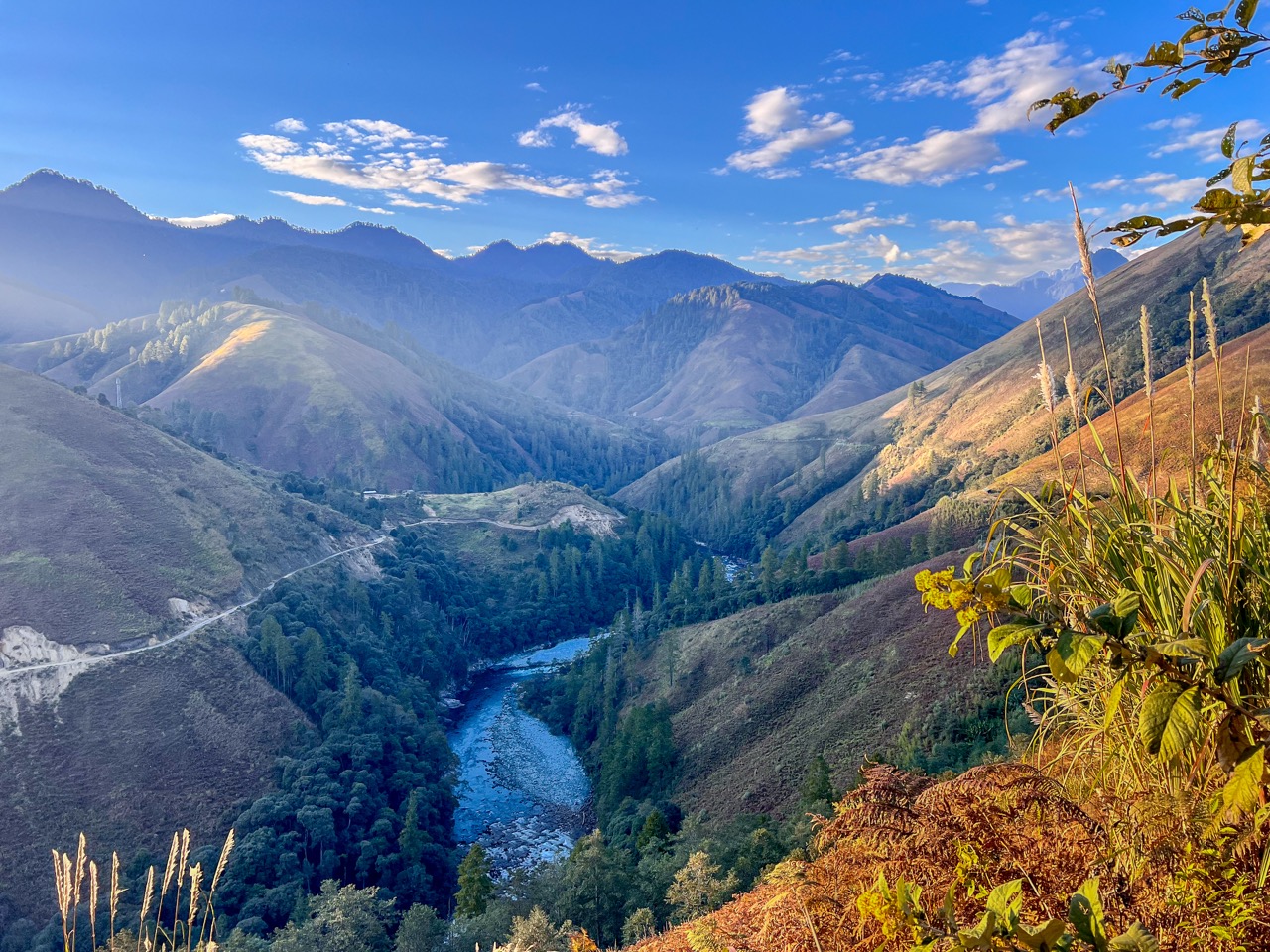
We started from Roing, knowing that the real journey was only beginning. The road slowly disappeared into the Mishmi hills. There were stretches where the forest came right up to the road, and then suddenly the valley opened and the Dibang river appeared far below.
For a wildlife photographer/explorer, this is the kind of road that keeps you looking out of the window.
You stop for a bird.
Then for a waterfall
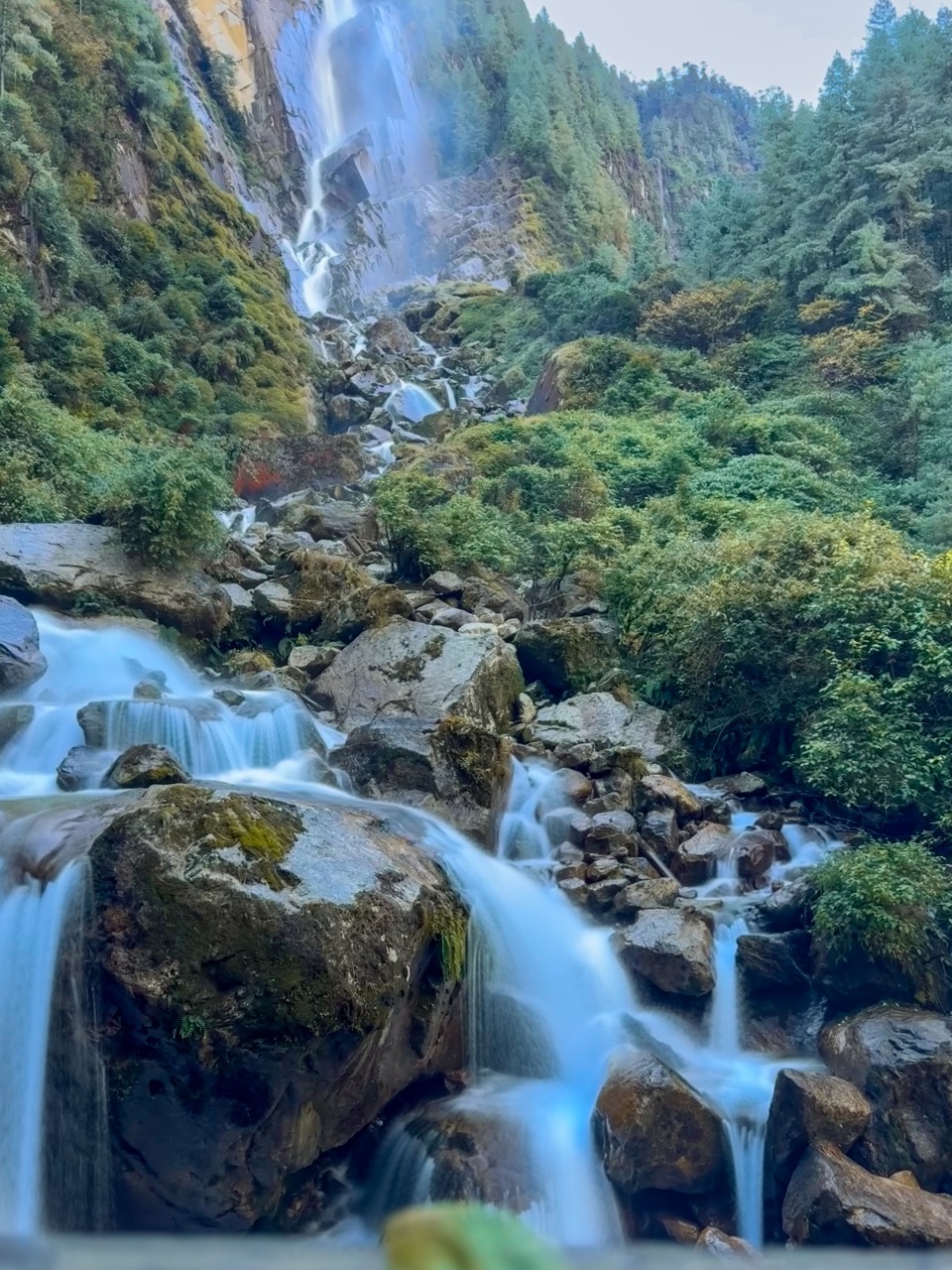
Then for a movement somewhere inside the forest.
And sometimes you stop for nothing at all.
You just stop because the mountains are too beautiful to drive past.
We travelled to Anini in November 2025. Winter had already begun. The mornings were cold, the skies were mostly clear and the light was perfect for photography. The further we went, the fewer people we saw.
At some places, road construction meant waiting for an hour or more before we could continue. It was frustrating at first. Later, I realised that the waiting was part of the journey.
The Mishmi hills don't seem to care how quickly you want to reach Anini.
Looking for wildlife
I had come with my camera hoping for wildlife.
The Dibang landscape is one of those rare places where the list of possibilities is almost as exciting as the actual sighting—Mishmi takin, red panda, hoolock gibbon, Sclater's monal, Blyth's tragopan, Temminck's tragopan and many other species.
But this is not a place where wildlife comes to you on schedule.
You look.
You wait.
You listen.
Most of the time, the forest gives you nothing. Specially when you are monitoring your watch, they don't appear, only patience goes up.
And then, for a few seconds, it gives you everything.
That unpredictability is what people like us love about wildlife photography.
But somewhere along this journey, I started looking beyond the camera.
The forest around Anini is not an empty wilderness. People have lived here for generations
The Idu Mishmi are part of this landscape in a way that is difficult for an outsider to understand.
Their homes, food, traditions and beliefs are connected to the forest.
And that is where the story of Anini becomes much more complicated.
The people and the forest
For generations, hunting was part of life for the Idu Mishmi. While walking along one of the trails, we met an elderly man carrying a bundle of firewood. He looked at me and, almost casually, asked if I had any tobacco. I had none to offer, much to his disappointment. But instead of walking away, he smiled and started talking to us.
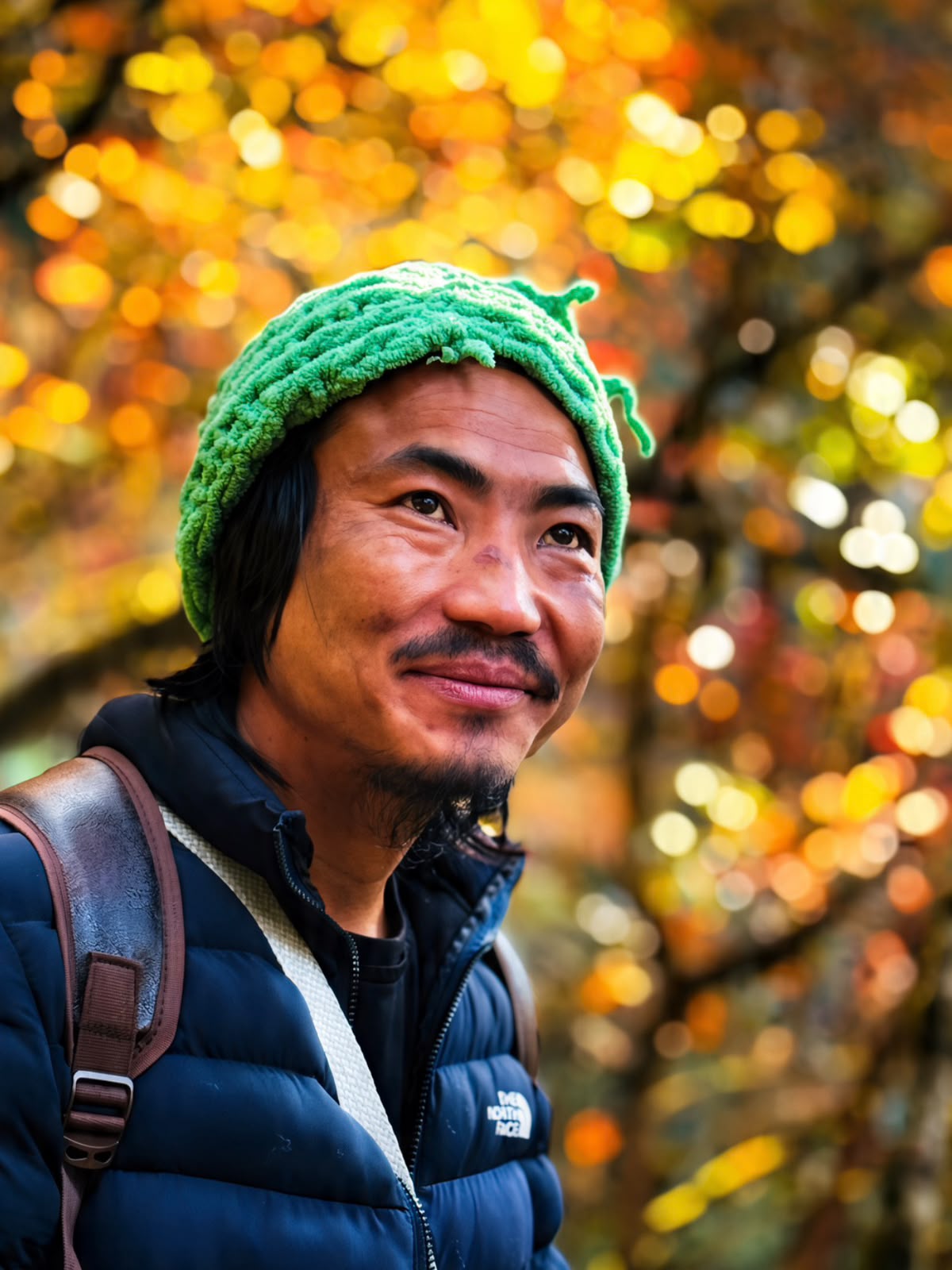
What began as a brief exchange slowly turned into a long conversation.
He told us that the trail we were walking on, and the mountains around it, had belonged to his ancestors for generations. He spoke about the land with a familiarity that felt very different from the way we look at a map. There were no signs, no boundary stones and no GPS coordinates. Yet he knew exactly where one stretch of land ended and another began.
The way his ancestors identified and remembered their territory was a story in itself—through rivers, trees, ridges, rocks and trails that had meaning only to those who had grown up with the mountains.
Listening to him, I realised that for the Idu Mishmi, the forest is not just a forest.
It is a map of memories.
It is where their ancestors walked, hunted, lived and passed their knowledge from one generation to the next.
And perhaps that is something we often miss when we talk about conservation from the outside. We see boundaries on a map. They see a landscape filled with stories.
Wild meat was a source of food. Hunting was also connected to tradition and, in some cases, to income.
But there were rules.
There were animals that could not be killed.
There were beliefs that governed what could be hunted and when.
The tiger is perhaps the strongest example.
For the Idu Mishmi, the tiger is not simply another wild animal. It is regarded as a brother. Their traditional belief system places a strict prohibition on killing tigers. Hoolock gibbons too have a special cultural status.
That made me think.
We often speak about conservation as something that came with wildlife sanctuaries, forest departments and modern science.
But in Dibang, some forms of conservation existed long before those words became part of the vocabulary.
At the same time, tradition does not automatically protect wildlife.
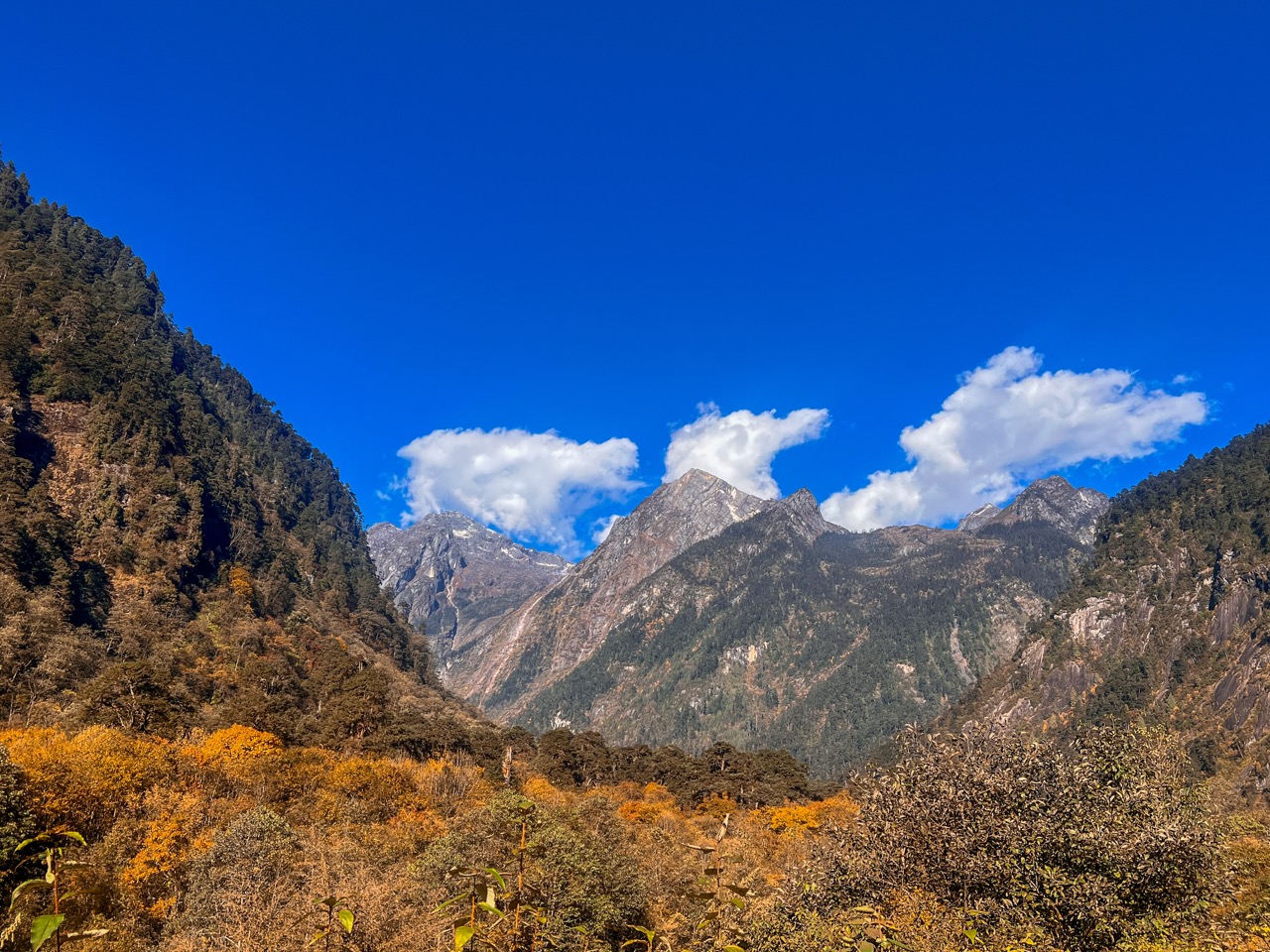
The Wildlife Institute of India has identified hunting as one of the major threats to wildlife in the region. Its research records that Idu Mishmi hunters have traditionally travelled into high-altitude areas during winter and hunted a variety of species. Hunting has been linked not only to food but also to recreation and, in some cases, the sale of valuable animal parts.
The same study found something equally important: many people avoid hunting because of traditional éna restrictions.
That contradiction is at the heart of Dibang.
The same culture can contain both hunting and protection.
When the old rules begin to change
The problem becomes bigger when the old relationship between people and the forest begins to change.
Roads are reaching deeper into the mountains.
Markets are becoming more accessible.
Firearms are available.
Tourism is slowly arriving.
And animals that once had to be tracked for days can become much easier to reach.
The Wildlife Institute of India's assessment of Dibang Wildlife Sanctuary specifically identifies poaching of takin and musk deer near the international border as a concern. The sanctuary also faces staff shortages, inadequate protection infrastructure and increasing road construction. At the same time, local Idu Mishmi communities have customary claims around the protected area and concerns about losing traditional rights, including hunting rights.
So it would be too easy to say that hunting is the problem.
It is one part of a much bigger problem. It is important to address this problem. Government has taken multiple steps to protect the wild life. But change management which we call is critical. Listening to the tribes, making them understand how the hunting is changing the demographic of the land, providing jobs and basic amenities will allow them to come out of the traditional way of living.
And then there is the Dibang question
The conservation debate in Dibang is no longer only about animals.
It is about land.
It is about rights.
It is about development.
And it is about who decides what conservation should look like.
The Dibang Wildlife Sanctuary covers more than 4,000 square kilometres. There have been discussions about giving the landscape stronger protection, including the possibility of upgrading its status. But such proposals inevitably raise questions among communities that have lived with customary rights over these forests for generations.
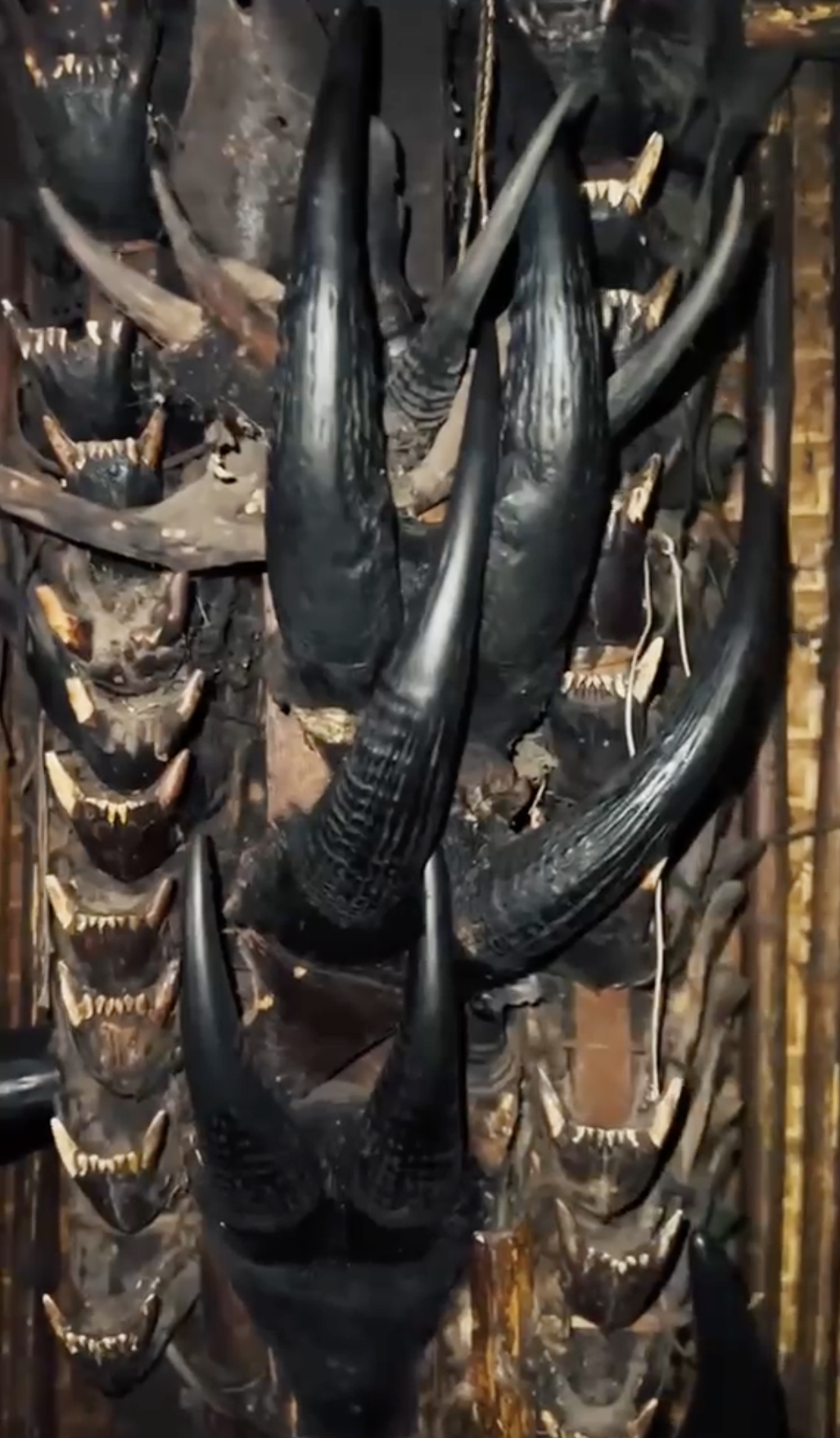
Then there are roads and large infrastructure projects moving through the wider Dibang landscape.
For someone sitting in a city, the argument can seem straightforward.
Protect the forest.
But for someone living there, the forest is also home.
A road may mean better access to healthcare, education and markets.
The same road can make a remote forest easier for hunters to enter.
A protected area may protect an animal.
The same protected-area rules may restrict a community's traditional access to the land.
There are no easy answers here.
The road to Anini
Perhaps that is why I remember the road more than any particular tourist attraction.
The road from Anini towards the upper Dibang landscape is spectacular. The river stays close, waterfalls appear suddenly between the mountains and the landscape keeps changing.
In November, the forests take on another character.
Yellow.
Orange.
A little red.
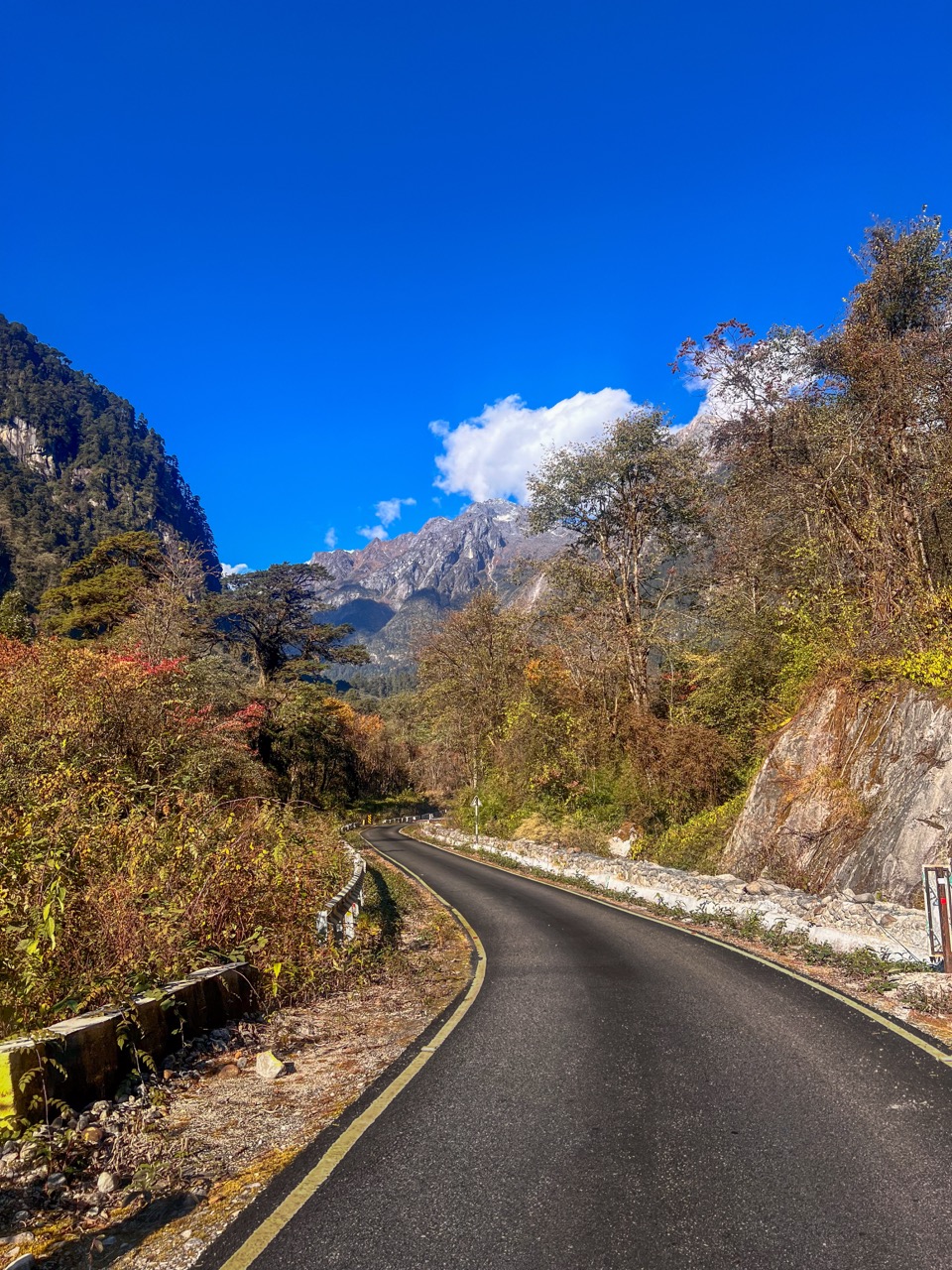
The autumn colours appear against the dark green forest and the distant mountains.
At night, after crossing the more remote stretches, the sky becomes almost impossibly dark.
There are no city lights.
No traffic.
Just stars.
And on a clear night, the Milky Way seems to stretch across the valley.
It is difficult to believe that places like this still exist.
I left with more questions than photographs
I went to Anini looking for birds.
I returned thinking about forests.
That is perhaps what a journey to a place like this should do.
Anini is beautiful. That part is easy.
The harder story is underneath the beauty.
It is about a community whose relationship with wildlife is thousands of years old.
It is about hunting, and the damage that hunting can cause when old practices meet a changing economy.
It is also about traditional beliefs that have protected some of the region's most important animals. Tiger has been considered as family member in this tribe.
But not all the animals are lucky to be in that list.
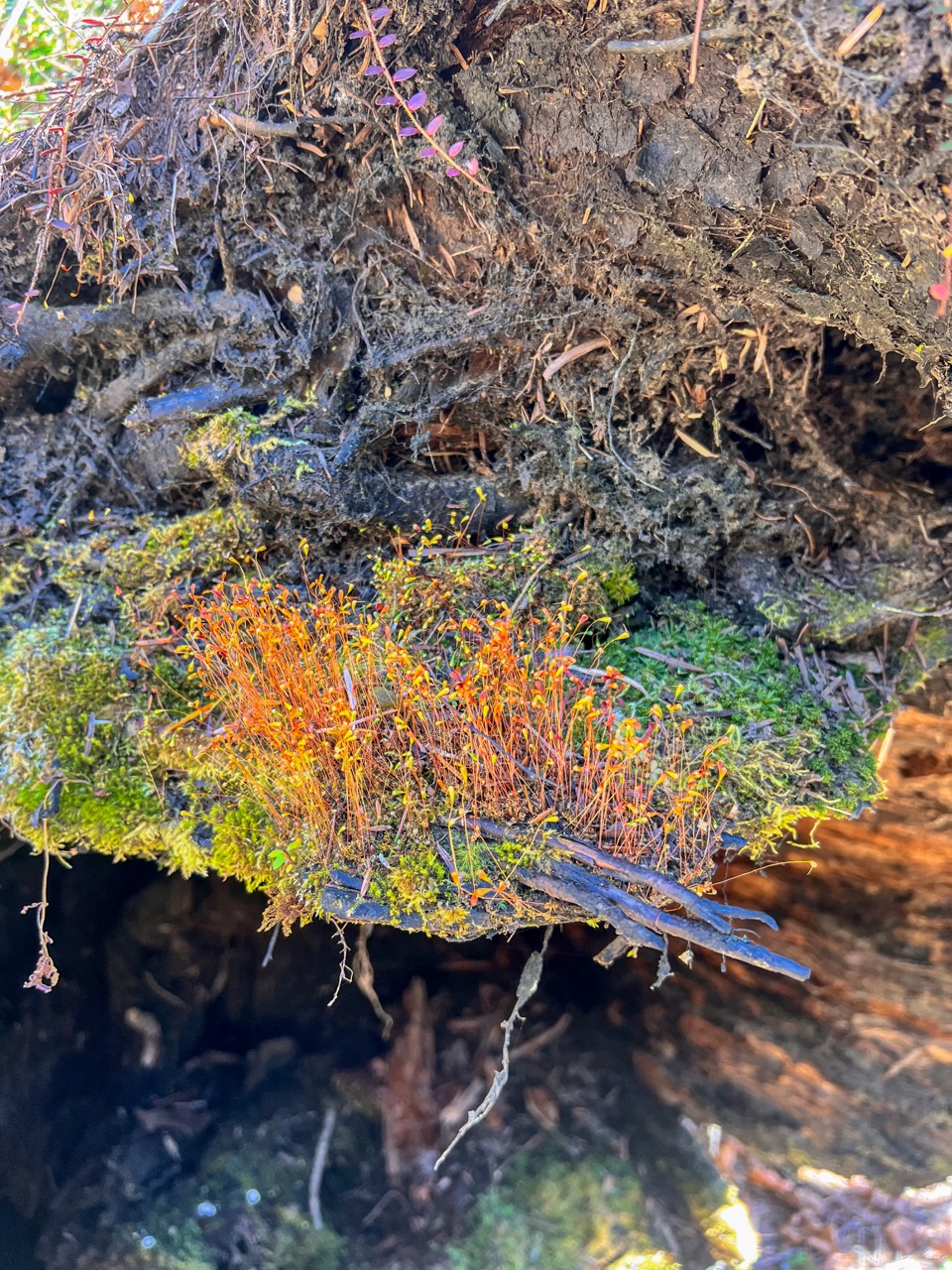
It is about conservation rules being brought into a landscape where people already have their own rules.
And it is about a valley standing at the edge of change.
I remember one of the last drives through the mountains.
The Dibang was flowing beside us.
The forest was silent.
There was no phone signal.
No traffic.
Nothing to remind me of the world I had left behind.
I looked at the mountains and thought about how little we really understand when we simply call a place a wilderness.
Dibang is not empty.
It belongs to the animals.
It belongs to the people.
It belongs to their stories and beliefs.
And now, increasingly, it belongs to the debate over what conservation in the twenty-first century should mean.
Perhaps the future of Anini will depend on whether all these voices can exist together.
For now, the mountains are still there.
Quiet.
Watching.
And waiting.