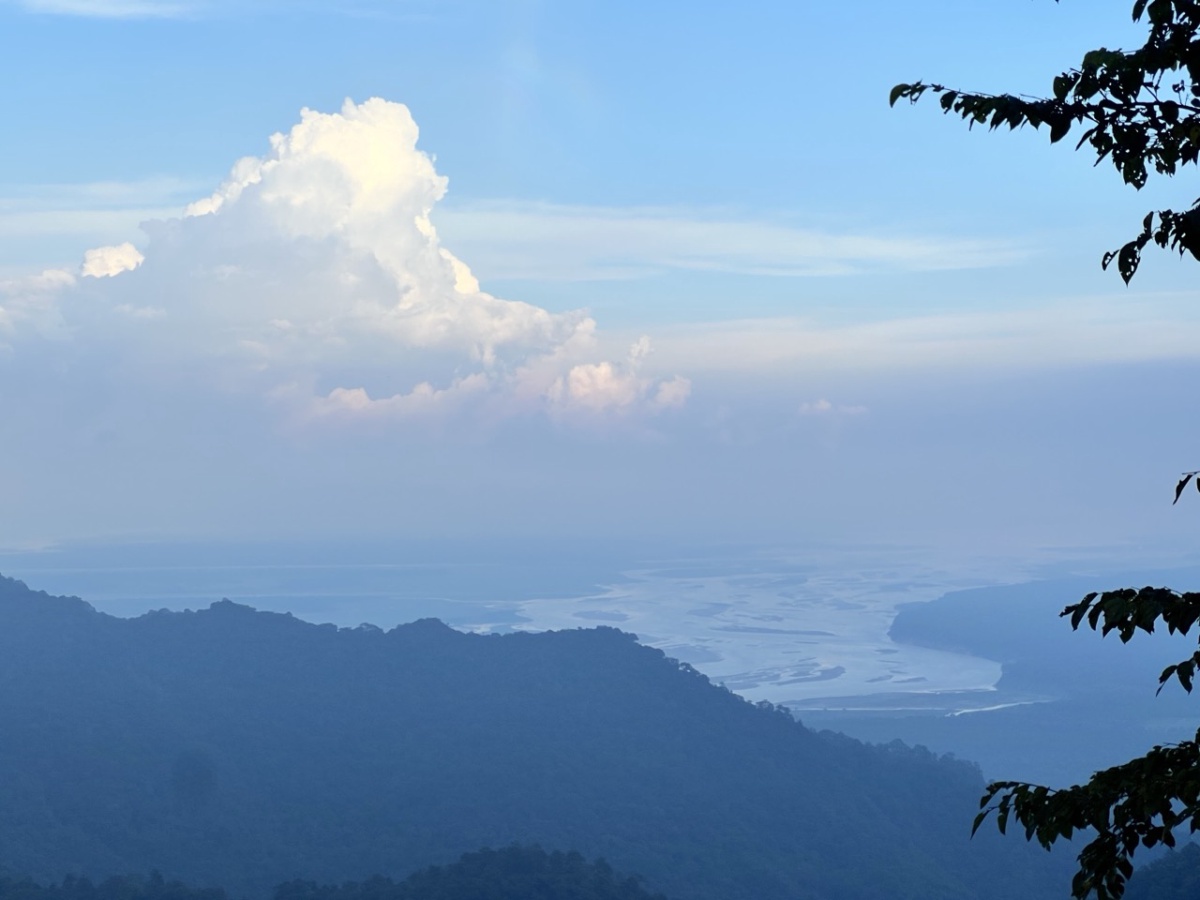
There is very little hurry in Latpanchar.
People wake up before sunrise, not because they have somewhere to be, but because the birds do.
My day started with a cup of tea outside the homestay. The hills were still wrapped in mist, and the only sound came from birds hidden somewhere inside the forest. The guide arrived quietly, smiled, and simply said, "Let's go."
That was all.
No promises.
No guarantee that we would find what we had come looking for.
And that's exactly what makes birding in Latpanchar so addictive.
Located on the edge of the Mahananda Wildlife Sanctuary, this small village has become one of the most sought-after birding destinations in the eastern Himalayas. While tourists head towards Darjeeling, bird photographers often take the quieter road to Latpanchar, hoping for a glimpse of birds that rarely appear anywhere else.
For me, the biggest attraction was the Red-headed Trogon.
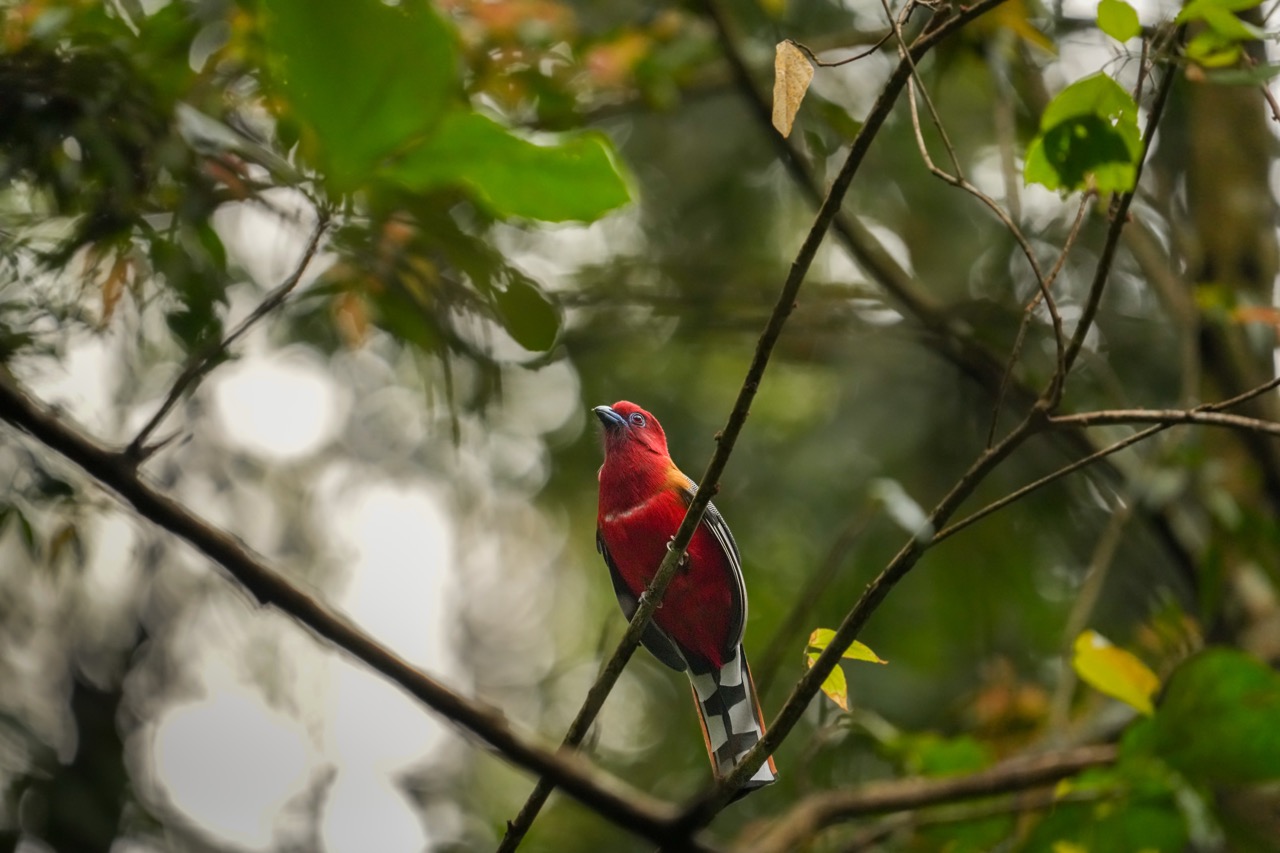
I had seen countless photographs of it over the years, but seeing one in the wild is a completely different experience.
It wasn't moving.
It wasn't calling.
It was simply sitting on a moss-covered branch, almost blending into the forest around it. The red head caught the morning light while the rest of the bird remained hidden among the leaves.
Nobody spoke.
There was no need to.
For the next few minutes, cameras clicked softly, and then, as quietly as it had appeared, the bird flew deeper into the forest.
Sometimes the best wildlife encounters are the shortest ones.
A little later, the forest announced the arrival of another celebrity.
Not with colour.
With sound.
The slow, heavy wingbeats of a Rufous-necked Hornbill echoed across the valley long before we saw it.
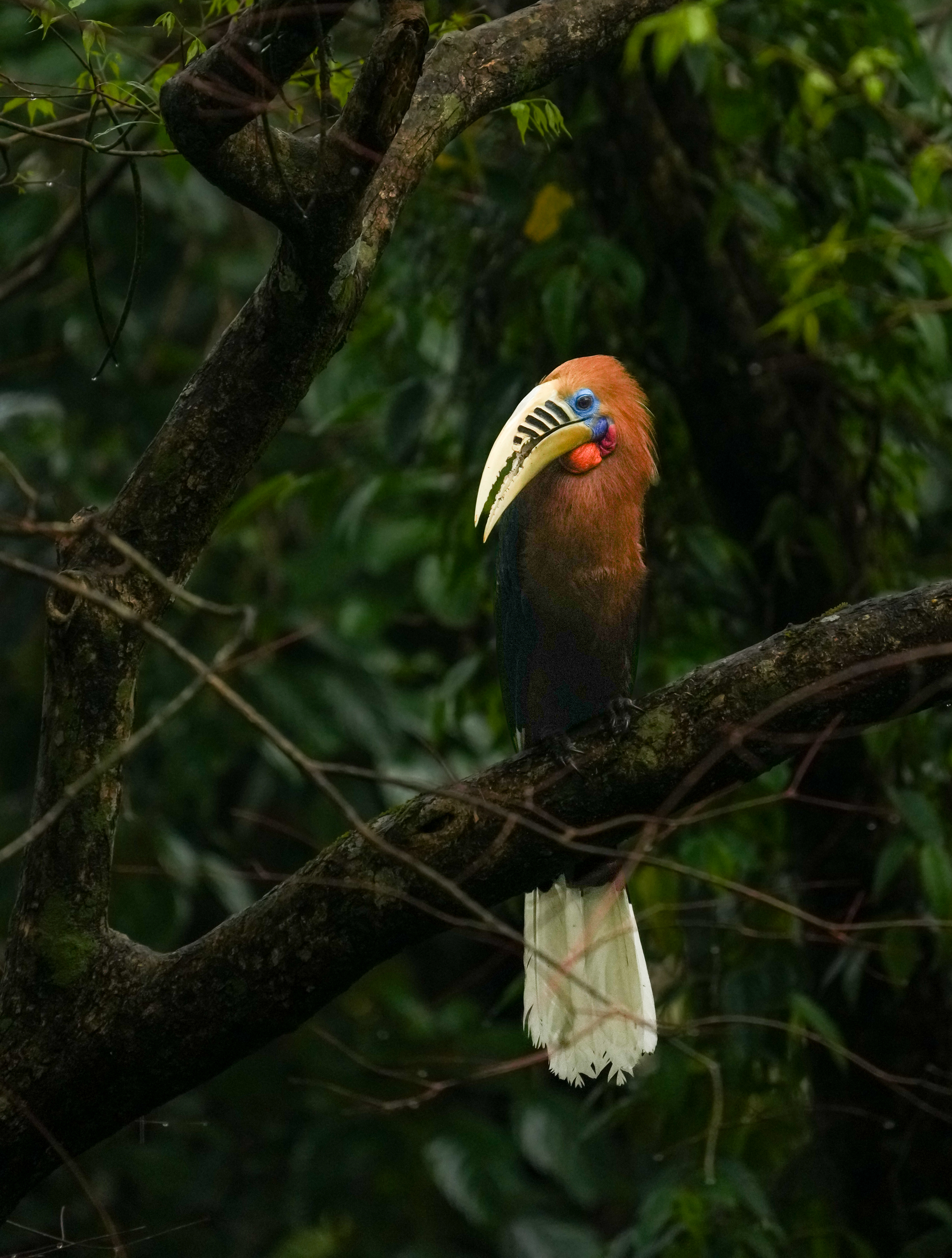
It flew above the treetops before landing on a fruiting tree in the distance. Soon another followed.
Watching hornbills is never about action. They don't rush. They move with confidence, as if they know the forest belongs to them.
Standing there, it was impossible not to think about how closely these birds are tied to old forests. Without large trees, there are no nesting cavities. Without fruiting trees, there are no hornbills.
Their presence tells the story of the forest better than any guidebook can.
The bird everyone secretly hoped to see came much later.
The Hodgson's Frogmouth.
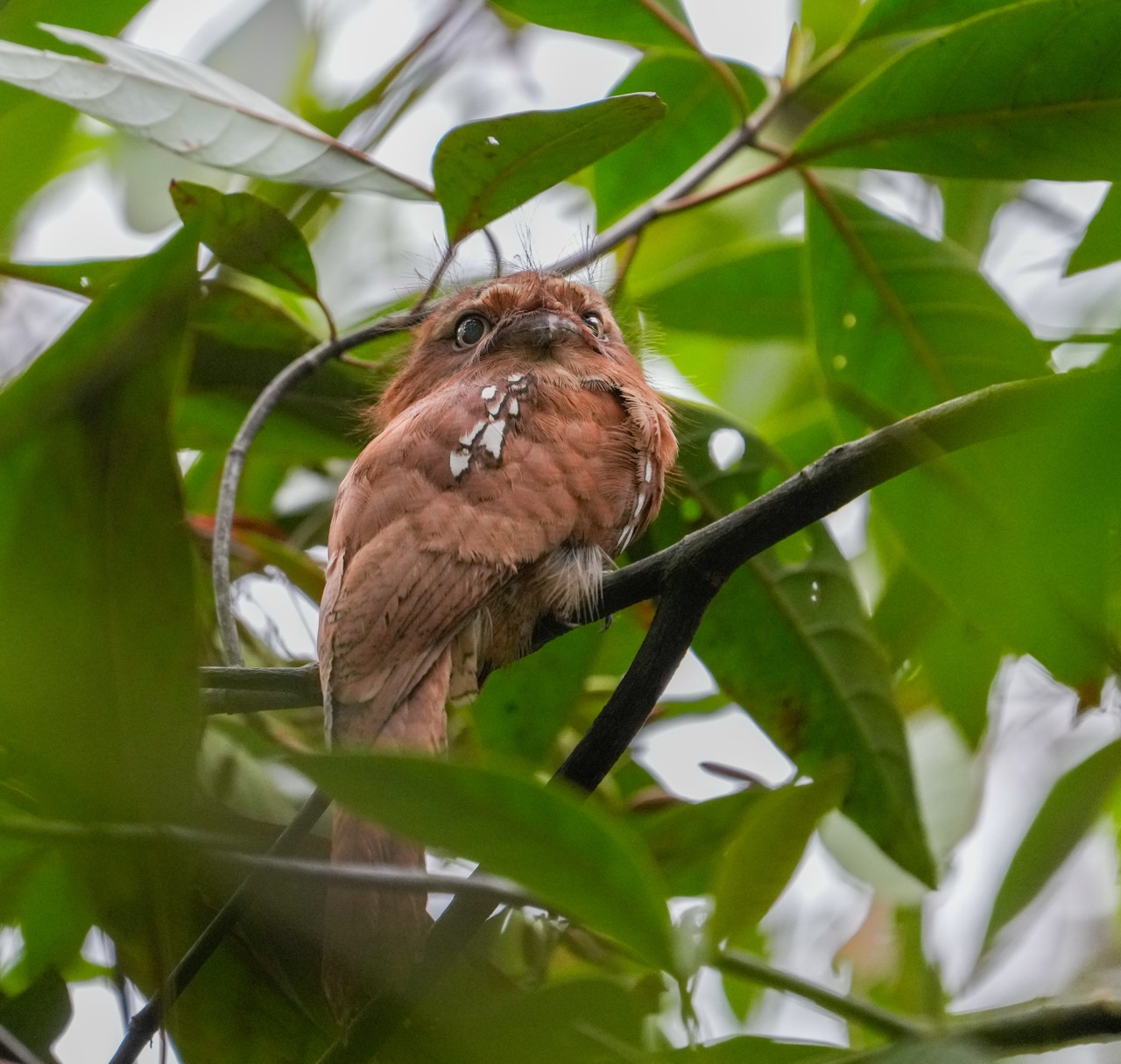
If someone had asked me to find it without help, I would have walked straight past.
Our guide pointed towards what looked like a broken branch.
I looked.
Nothing.
He smiled and pointed again.
Only after looking through my camera did I realise that the "branch" had two eyes.
It was one of the finest examples of camouflage I have ever seen.
Even after photographing it, I found myself looking at the image, trying to locate the bird all over again.
Some species impress you with colour.
Others impress you by almost disappearing.
Latpanchar isn't only about its famous birds.
Every trail had something happening.
Scarlet Minivets flashed through the canopy.
Barbets called from somewhere above us.
Drongos chased insects in open clearings.
Small mixed hunting flocks kept moving through the forest, never staying in one place long enough for anyone to relax.
By lunchtime, we had stopped counting species.
Instead, we started enjoying the rhythm of the forest.
One thing I appreciated throughout the trip was the local guides.
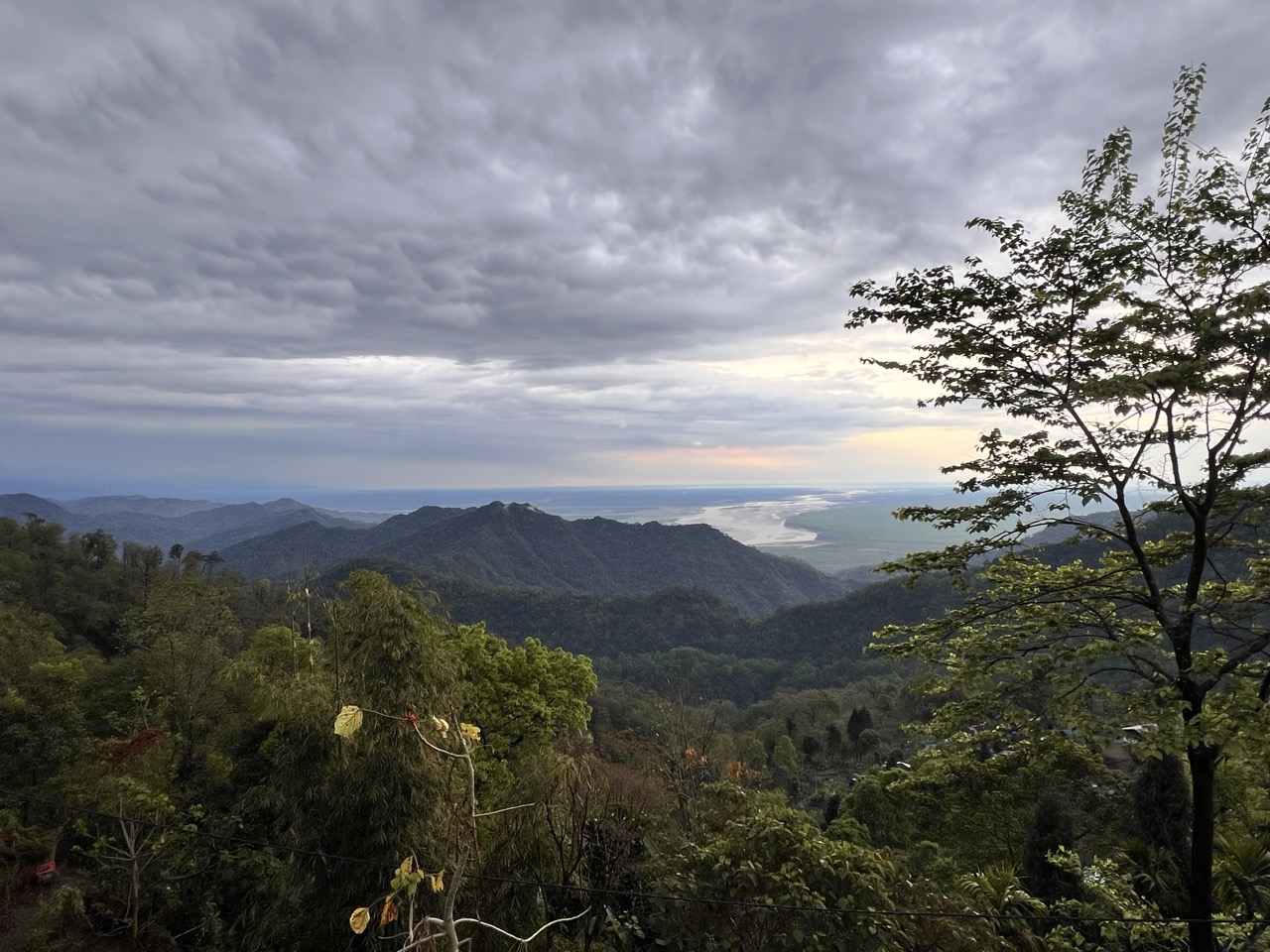
They don't carry long checklists.
They don't overwhelm you with scientific names.
They simply know the forest.
They know which trail the trogon preferred last week.
They know where the frogmouth has been roosting.
They know which fruiting tree the hornbills are visiting.
Their knowledge comes from years of walking these forests, and that makes every outing feel less like a guided tour and more like spending the morning with someone introducing you to their home.
When the birding ended, Latpanchar slowed down even more.
Clouds rolled across the hills, children returned from school, and conversations at the homestay revolved around a single question.
"What did you see today?"
Someone had photographed a laughingthrush.
Someone else finally found the frogmouth.
Another photographer was still hoping for a better view of the trogon tomorrow morning.
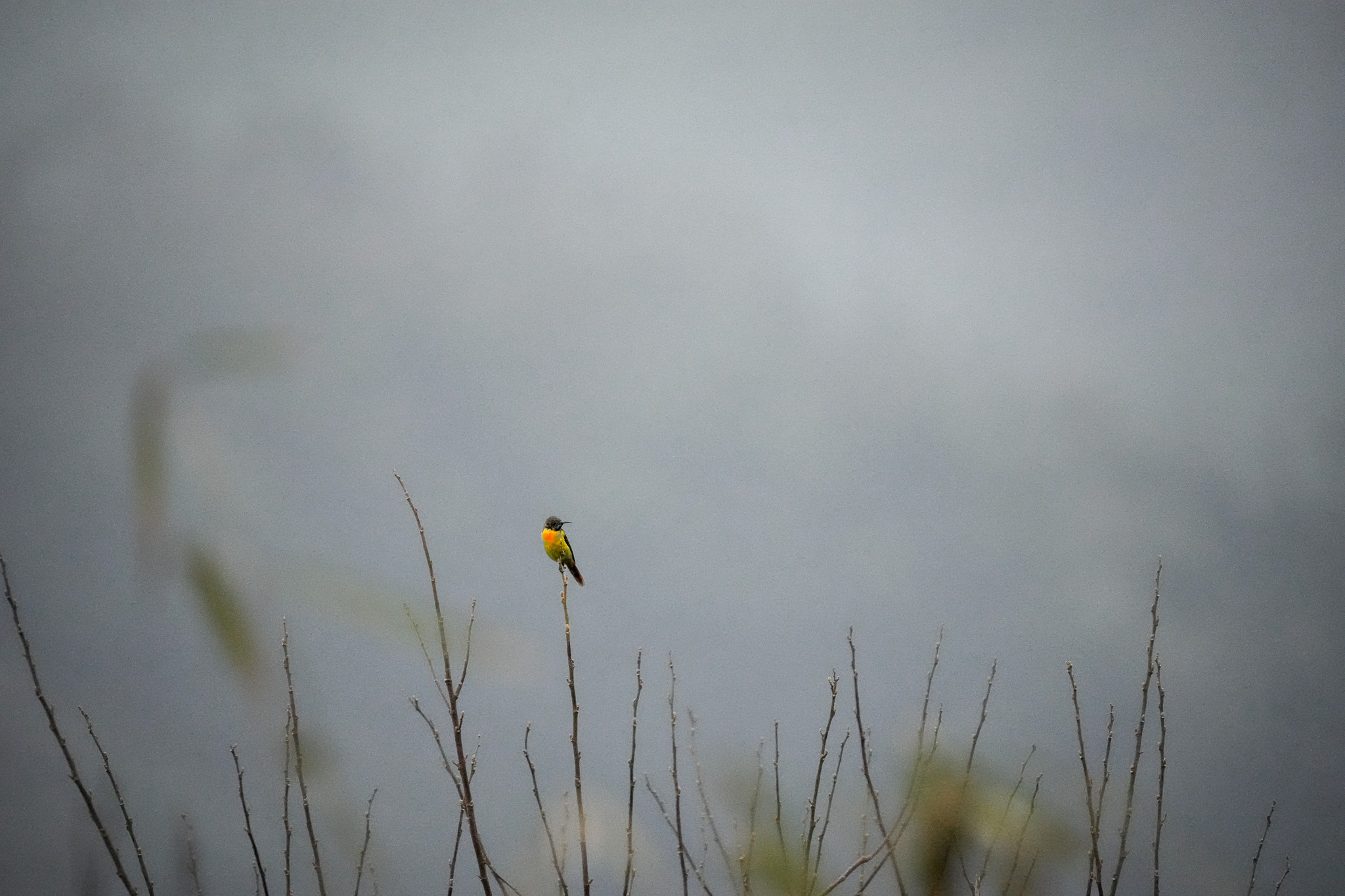
Nobody seemed disappointed.
Because in places like Latpanchar, the experience isn't measured by how many birds you photograph.
It's measured by how much time you spend looking up.
I left with memory cards full of photographs.
But what stayed with me most was something much simpler.
A quiet morning.
A patient guide.
And a forest that revealed its secrets one bird at a time.
Watch the Journey
If you'd like to see the birding trails, forests and behind-the-scenes moments from my visit to Latpanchar, you can watch the complete journey here:
🎥 https://youtu.be/PS5NWKMGQ90?si=9TQl92ltHw6fPvsH
When to Visit
The best time for bird photography is March to May, when species like the Red-headed Trogon, Rufous-necked Hornbill and Hodgson's Frogmouth are more actively seen by birders. The weather is pleasant, and the forests are alive with breeding activity.
October to February is another excellent season, offering clear skies and plenty of Himalayan birds.
The monsoon transforms the forest into a lush green landscape, but frequent rain can make photography more challenging.
How to Reach
The easiest way to reach Latpanchar is via Bagdogra Airport or New Jalpaiguri (NJP) railway station. Both are about two to three hours away by road.
The drive itself is beautiful, climbing gradually through forests, cinchona plantations and small Himalayan villages before reaching Latpanchar.
If you're planning a bird photography trip, stay for at least two or three mornings. Bird activity changes every day, and patience is often rewarded. Hiring a local bird guide is highly recommended—not just to improve your chances of finding species like the trogon or frogmouth, but also to support the community that has helped make Latpanchar one of India's finest birding destinations. Most important the people of this place not only so welcoming but also believe that nature, wild life and human are one entity. Thats the most beautiful feeling one can bring home while spending few days in such beautiful Himalayan village.